


premier vehicle protection buyer's guide for real drivers

What "premier" actually means for your car and budget

Big repairs land without warning. Electronics fail, ADAS sensors need calibration, paint gets sandblasted by winter grit. You want protection that fits your life, not just a glossy badge.

Core coverage types, simplified

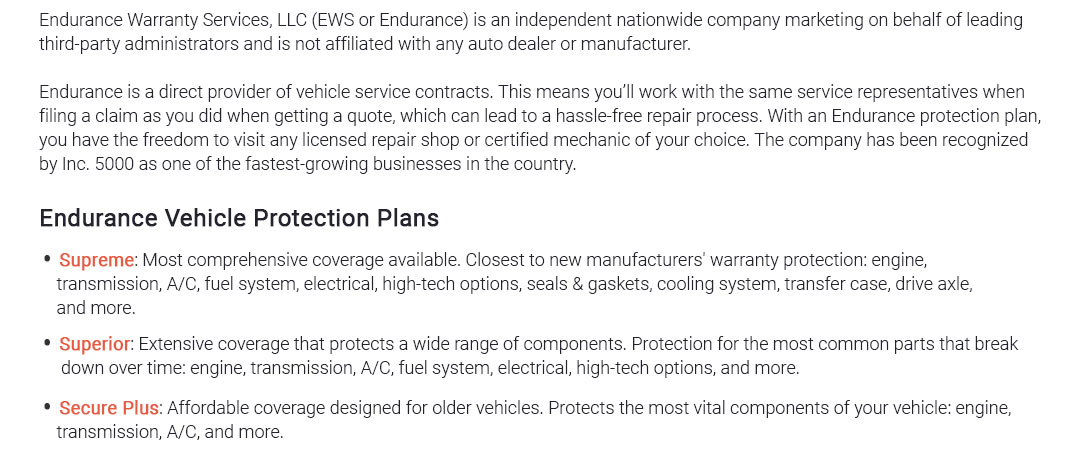
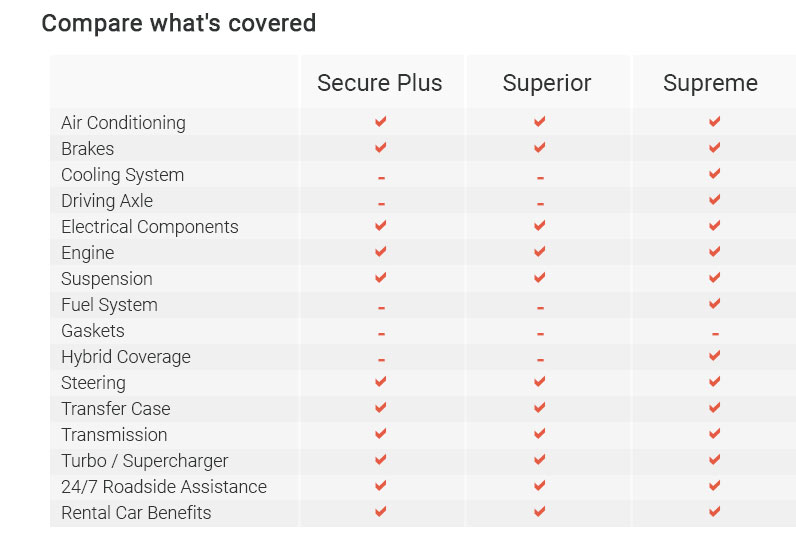
  • Mechanical breakdown (extended coverage): Helps with engine, transmission, electronics, and high-tech modules after factory warranty ends.
  • Maintenance plans: Prepaid oil, filters, inspections. Convenience over savings unless discounted.
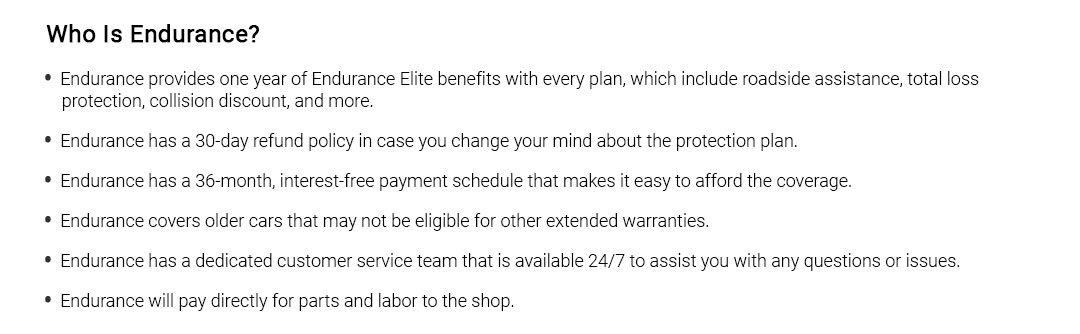
  • Roadside + rental: Towing, jumpstarts, flat repair, and a car while yours is down - small cost, big stress relief.
  • GAP/loan payoff: If the car is totaled and you owe more than its value, this covers the difference. Crucial with small down payments.
  • Tire and wheel: Potholes bend rims and slice sidewalls. Worth it on low-profile tires or rough roads.
  • Paint protection film (PPF) and ceramic coating: PPF for impact-prone panels; ceramic for easier cleaning and gloss. Different jobs, different value.
  • Glass/windshield: Modern windshields can require camera recalibration - costly without coverage.
  • Key fob protection: High-tech fobs are pricey. Small add-on if you're forgetful.

Pause - what do you actually need?

Fit the plan to your daily reality

  1. Profile your driving: Commute length, climate, parking (street vs. garage), rough roads, and annual mileage.
  2. Map your factory coverage: Know end dates and miles for basic, powertrain, battery, emissions. Don't double-buy.
  3. Target known weak spots: Research your model's common failures and ADAS calibration costs.
  4. Scrutinize exclusions: Wear items, diagnostics, "pre-existing" issues, fluid flushes, and maximum labor rate caps.
  5. Check claim logistics: Can your preferred shop be used? OEM vs. aftermarket parts? Direct payment or reimbursement?
  6. Do the math: Price of plan + deductible vs. realistic failure risk. Run a 3 - 5 year total cost scenario.
  7. Confirm flexibility: Transferability, cancellation refunds, and coverage gap between contracts.

A quick, real-world moment

Friday night, rain, a warning light pops on and the steering feels off. Roadside tows you to a shop that accepts your plan. The claim is approved, a rental shows up, and you're at your kid's game the next morning - dry, calm, and not doing mental math.

Red flags and buyer signals

  • Pressure clock: "Today only" or "sign before finance prints" is a nudge, not a service.
  • Vague contracts: If you can't read the full policy before paying, walk.
  • Low labor caps: Great on paper, denied at the counter. Ensure hourly rates match local shops.
  • Exclusion stacking: Too many carve-outs turn coverage into coupons.

Smart ways to buy

  • Get the actual sample contract. Read definitions and exclusions, not brochures.
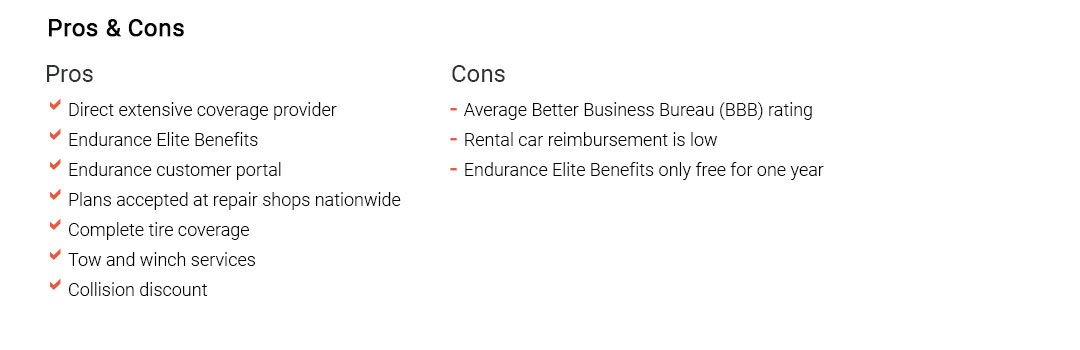
  • Compare manufacturer-backed vs. reputable third-party. Judge by shop network and claims reputation.
  • Ask for OEM parts language and ADAS recalibration coverage in writing.
  • Price multiple deductibles; sometimes a slightly higher deductible makes the premium fair.

PPF and coating: where they shine

Daily highway? PPF on front bumper, hood edge, mirrors. Lots of city grime? Ceramic makes wash days fast and keeps finish slick. If you garage the car and drive gently, scaling back is sensible.

What to skip (often)

  • Paint sealant "packages" that mimic a good wash routine.
  • Nitrogen for street tires - minimal advantage if you check pressures monthly.
  • VIN etching upsells priced far above DIY or insurer-provided kits.

Questions that lead to clarity

  • What failures are most common for my model, and are they covered?
  • What are the claim approval steps and average decision time?
  • Is roadside/towing limited by distance or dollar amount?
  • Are diagnostic fees and taxes covered?
  • What is the cancellation refund schedule after month 1, year 1?

Leasing vs. owning

If you lease, prioritize GAP (if not included) and tire/wheel. If you own long-term, mechanical coverage timed to expire near 100k - 120k miles can make sense, plus selective appearance protection where your commute punishes the finish.

Decision snapshot

  • New car, long commute: Mechanical coverage beyond factory + selective PPF; roadside included.
  • Older, paid-off car: Roadside and a repair fund may beat premiums; skip GAP.
  • High loan-to-value: GAP is essential until equity catches up.

Your best move is simple: match coverage to the failures you're most likely to face, at shops you actually use, with claim rules you can live with. Everything else is shine.

https://www.linkedin.com/company/premier-vehicle-protection
We provide a wide range of extended vehicle service contracts and vehicle protection plans (also commonly called extended auto warranties)

https://www.pdsadm.com/products/premier-vehicle-service-contracts.shtml
A high mileage vehicle service contract specially designed to provide affordable protection from the rising costs of mechanical failures. Premier Classic ...

https://www.ally.com/auto/vehicle-protection/
With an Ally vehicle service contract, you're protected from the unexpected and prepared for your vehicle's future. Need help now? Call 1-888-798-5707 for ...


atwratnwm
4.9 stars -1434 reviews